
Asturias vs. “Tourist Spain”
- Jan 27
- 4 min read
Choosing a Region That Matches Your Real Life
For many people, the idea of moving to Spain begins with a feeling. Sunlight. Outdoor cafés. Whitewashed villages. A slower, more beautiful life. Those images aren’t wrong — but they are incomplete. Spain is not one single experience, and choosing where you relocate matters just as much as deciding to relocate at all.
At Leap Key, we see this moment often. Families and individuals fall in love with “Spain,” but haven’t yet stopped to ask which version of Spain actually fits the life they want to live day to day. This is where the distinction between what we often call Tourist Spain and places like Asturias becomes important. Not better. Not worse. Just fundamentally different.
What People Usually Mean When They Picture “Tourist Spain”
When clients first describe their vision of Spain, it often centers around warmth, ease, and social energy. They imagine dry, sunny weather most of the year, coastal cities filled with international residents, and a lifestyle shaped by restaurants, nightlife, and late evenings. English feels readily available, and the sense of belonging can come quickly because so many people around them are also newcomers. This version of Spain is very real. You’ll find it in parts of the Costa del Sol, the Costa Blanca, major cities like Barcelona and Madrid, and on the Balearic and Canary Islands.
For some people, this environment is exactly what they’re looking for. It can offer an instant social network, familiar rhythms, and a lifestyle that feels light, accessible, and even a bit like a permanent holiday. But it’s important to understand that this is just one version of Spain — and it’s not always the best match for families or for those seeking deeper, long-term integration.
Asturias: Spain Without the Performance
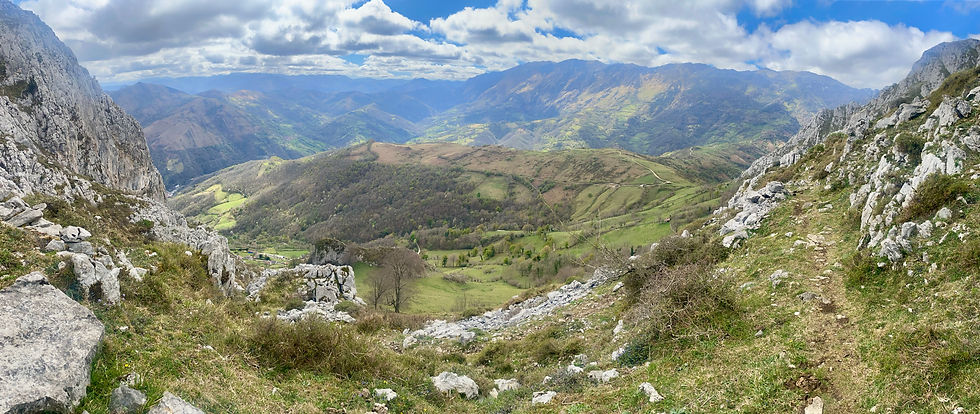
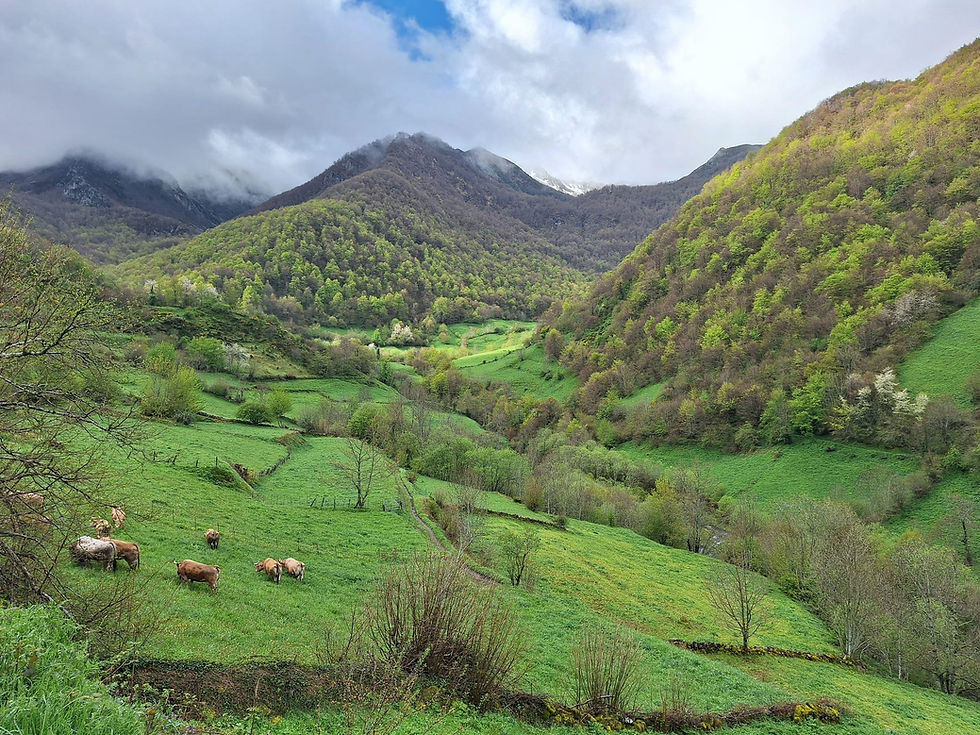
Asturias, in northern Spain, often surprises people — not because it tries to impress, but because it doesn’t. Life here isn’t designed around visitors. It’s designed around living. Instead of palm-lined promenades and resort towns, Asturias offers green landscapes, mountains, and a dramatic coastline. The climate brings cooler temperatures and real seasons. Life unfolds in small cities, towns, and villages where work, school, and family come first. The culture is social and warm, but understated. Spanish is spoken everywhere, every day.
Asturias isn’t trying to sell you a lifestyle. It already has one — and it invites you to step into it, not observe it from the outside.
The Real Question Isn’t “Which Is Better?”
The more useful question is simpler — and harder: How do you want your days to feel once the novelty wears off? Do you want to integrate into Spanish life, or are you more comfortable living alongside it? Are you energized by busy, international environments, or grounded by quieter ones? Does sunshine outweigh everything else for you, or do you value balance, nature, and routine just as much? If you have children, do you want them immersed in local culture or educated in a more international bubble? Tourist-forward regions and Asturias answer these questions in very different ways.
Daily Life: What Actually Changes
In many tourist-heavy areas, daily life often revolves around service industries and seasonal rhythms. Neighborhoods can shift dramatically between summer and winter, and housing, schooling, and even healthcare are sometimes shaped by international demand. English is widely accessible, and integration into Spanish life can be optional rather than expected.
In Asturias, daily life tends to center on work, family, school, and community. Towns feel consistent throughout the year, public services are designed for locals first, and while integration may take more effort, it tends to be deeper and more lasting. Neither approach is wrong. But mistaking one for the other often leads to disappointment later on.
Who Often Thrives in Asturias
Asturias tends to suit people who are looking for a grounded, everyday life rather than a lifestyle “upgrade.” It works well for those relocating with children or planning to settle long term, and for people who value nature, space, and rhythm over constant activity. It’s also a better fit for those open to learning the language and navigating local systems — and who don’t need Spain to feel effortless on day one. The adjustment can be more demanding. But for the right people, it’s also deeply rewarding.
Why Region Choice Is a Lifestyle Decision
Visas, housing, and paperwork all matter. But your region shapes far more than logistics. It influences your social life, your children’s experience, your sense of belonging, your stress levels, and your long-term satisfaction.
We often remind families that most relocation regret doesn’t come from Spain itself. It comes from choosing a place that doesn’t match how they actually live.
Choosing Spain That Fits You
Asturias isn’t for everyone. Tourist Spain isn’t either. The goal isn’t to follow popularity or aesthetics — it’s to choose a place that supports your values, your pace, your family dynamics, and your definition of a good life.
At Leap Key, we don’t start with regions. We start with people. Because the right place in Spain isn’t the one that looks best on Instagram — it’s the one that still feels right on a Tuesday in January.



Comments