
How to Move to Spain in 2026: Timeline, Regions & Real-Life Planning(Before Aunt Janice Asks)
- Dec 8, 2025
- 5 min read
Updated: Dec 26, 2025
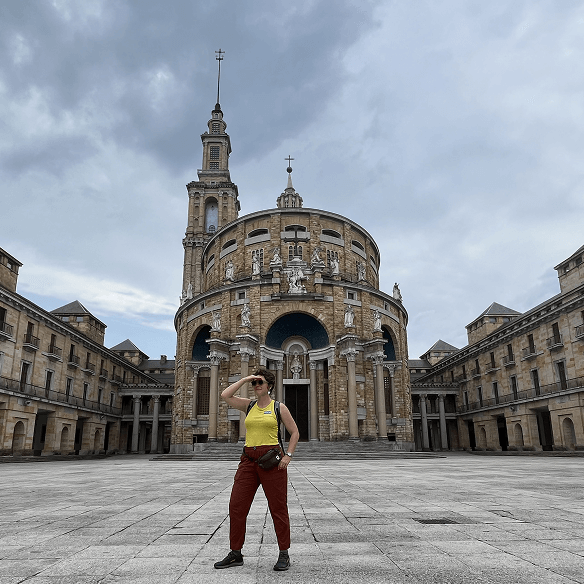
You’re ready. You’ve been researching regions, scrolling housing, and practicing how to say ya voy… but Aunt Janice? She’s got questions.
How, exactly, do you—her favorite—pick up your life and move to Spain? What about work, housing, visas, schools, healthcare, community? (She also wants to know if she can come with you.)
Read this before you:
Book a scouting trip to Spain
Fall in love with a random town on Instagram
Tell your family you’re “definitely moving to Spain in 2026”
Because here’s the good news:
Your timeline can work if you start early.
Your region choice can support the lifestyle you really want.
And you don’t have to do this alone or reinvent the wheel.
If moving to Spain is on your mind for 2026 or 2027—especially the greener, quieter north in regions like Asturias or Galicia—these are three things I wish I’d known while in the early stages.
Your Timeline to Move to Spain Is Your Friend (If You Start Using It Now)
Most people think about moving to Spain for years before they actually do it. That’s not a problem—that’s an asset.
When you start your Spain relocation planning early, you get to:
Make calmer, well-informed decisions
Spread out the admin and costs
Align your move with school calendars, work, and life milestones
Visa Timeline for Moving to Spain: More Marathon Than Sprint
Yes, there are documents, appointments, translations, and approvals—but none of it has to be panicky if you know what’s coming.
Starting now means you can:
Get professional Spanish visa guidance before you lock into a path
Understand what documents you’ll need and when
Build in buffer time so small delays don’t throw everything off
Whether you’re considering a non-lucrative visa, digital nomad visa, or another route, a clear — yet flexible — timeline is one of your best tools.
Housing in Spain: More Choice, Less Last-Minute Pressure
With a longer runway, your housing search in Spain becomes more manageable.
You can:
Learn how the local rental or purchase market really works
Decide whether you want a short-term landing spot first, then a longer-term home
Explore different neighborhoods in Asturias, Galicia, or other regions instead of grabbing the first thing you see
This is especially true in smaller coastal towns or cities in Northern Spain, where a bit of local knowledge goes a long way.
Moving to Spain with Kids: Plan Around a Smooth School Start
If you have kids, the Spanish school calendar is one of the biggest anchors in your relocation timeline.
Thinking ahead lets you:
Choose the type of school (public / concertado / private) that fits them best
Aim your move around the start of a school year or semester
Give them time to arrive, settle, and adjust to life in Spain
Bottom line:
If moving to Spain in 2026 or 2027 is the goal, you’re right on time to start gently putting the pieces together. Your future self (and yes, even Aunt Janice) will thank you.
2. Choosing Where to Live in Spain Is About the Life You
Want to Live
Spain is full of beautiful places. The real magic is finding the best place to live in Spain for your budget, rhythms, values, and everyday life.
Why So Many People Choose Northern Spain (Asturias & Galicia)
Northern Spain—especially Asturias and Galicia—is ideal for people who love:
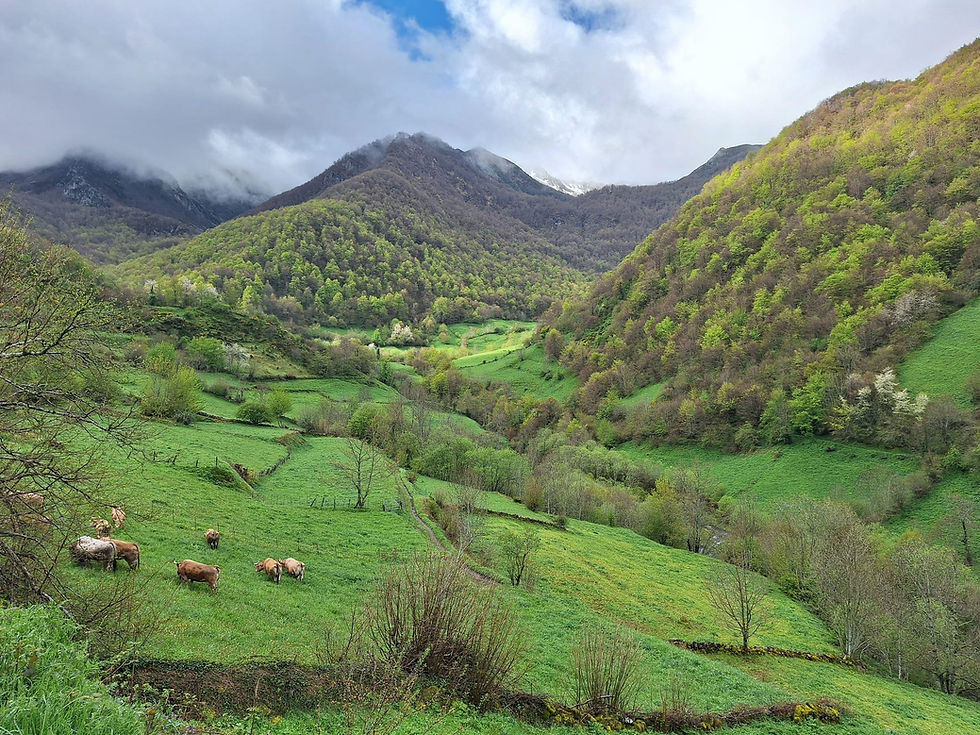
Green landscapes, dramatic coasts, and mountains
Mild summers and a cooler, more temperate climate
A slower, more community-centered pace of life
Other regions shine for year-round sun, big-city energy, or international hubs. None is “better”—the question is: Which Spanish region feels like home for you?
Design Your Ordinary Days, Not Just Your Instagram Moments
Instead of only picturing sunsets and plazas, imagine your actual daily life if you move to
Northern Spain:
Where will you buy your groceries?
Will you drive, walk, or use public transport?
How close do you want to be to the sea, mountains, or a hospital?
Do you want a lively expat circle, a mostly local community, or a blend?
Regions like Asturias and Galicia often surprise people because they’re not just gorgeous—they’re deeply livable for individuals, couples, retirees, and families who value nature, culture, and authenticity.
A Spanish Region That Supports Your Life, Not Just Your Holiday
The right region is the one where you can say:
“I can actually see our daily life fitting here—school pick-ups, work calls, grocery trips, and weekend adventures.”
That’s when choosing where to live in Spain starts to feel exciting and grounded.
3. You Don’t Have to Plan Your Move to Spain Alone
Relocating to another country is a big step—but it doesn’t have to be a lonely one.
You’re allowed to get help. In fact, support is often what turns a stressful relocation into an organized, hopeful experience.
What’s Hard to See From Abroad When You Plan a Move to Spain
From another country, it’s tough to:
Compare Spanish regions side-by-side in a meaningful way
Understand local norms in housing, schools, and services
Know which professionals (immigration, legal, tax) are actually reliable
Read the subtleties of day-to-day life from behind a screen
That’s where having bilingual, on-the-ground support in Spain makes everything feel lighter and clearer.
How Relocation Support Helps When You’re Moving to Spain
As your relocation partner, we don’t take over your life—we help you:
Turn “someday we’ll move to Spain” into a realistic, step-by-step plan
Narrow down regions that truly fit your lifestyle, not just your wish list
Plan a scouting trip to Spain that answers real questions instead of adding confusion
Connect with a trusted network of local professionals for visas, tax, and legal matters
At Leap Key, we use our Look · Learn · Leap approach to support people who want to relocate to Northern Spain:
Look – Clarify your goals, lifestyle, and what you really need from a region (with a special focus on Asturias and Galicia).
Learn – Design a purposeful scouting trip and gather the right information instead of random impressions.
Leap – Coordinate the practical steps and introduce you to on-the-ground partners so you’re not doing this alone.
We don’t provide legal or immigration services ourselves—but we do help you build a trusted professional team around you so your move to Spain feels informed and supported.
Moving to Spain in 2026 or 2027: Where to Start
If Spain is on your mind for 2026 or 2027, here’s a gentle, practical way to begin your Spain relocation journey:
Name it.
Instead of “someday,” say, “We’re exploring a move to Spain in 2026/2027.” That small shift changes how you think and plan.
Map it.
Sketch a simple timeline:
research → visa strategy with a professional → scouting trip → school/housing decisions → move window.
Explore regions with curiosity, not pressure.
Pay attention to climate, community, and lifestyle fit—especially if quieter, greener regions like Asturias and Galicia are calling your name.
Get support before you feel stuck.
You don’t have to earn your relocation by suffering through chaos. It’s okay to ask for help early.
If moving to Spain in 2026 or 2027 is part of your plan, save this post and share it with the person you’re planning with. Let it be the starting point of a hopeful, organized, and well-supported relocation.
And when you’re ready—Leap Key is here in Northern Spain: bilingual, on the ground, and ready to help you Look, Learn, and Leap into the life you’re imagining (and give Aunt Janice some very reassuring answers about how you’re moving to Spain, step by step).



Comments